Unveiling the Heart of War: First-Hand Accounts for the Avid Reader
Dive into powerful first-hand accounts of war that immerse you in the emotional and historical complexities of conflict. Discover essential reads that offer profound insights into the human spirit amid chaos, making this list perfect for history enthusias

Books Featured in This Article
Explore the books discussed
Unveiling the Heart of War: First-Hand Accounts for the Avid Reader
For those who find themselves captivated by the raw stories of wartime, exploring narratives that offer first-hand accounts can be an enriching journey. These books immerse readers into the complexities of war, revealing not just the historical events, but the human soul amidst chaos. Here’s a curated list designed specifically for history enthusiasts and fans of immersive storytelling. Whether you’re revisiting classics or discovering contemporary gems, these authentic depictions of war will leave a lasting impact.
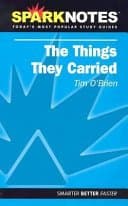
Tim O’Brien’s The Things They Carried
Page Count: 233 | Published: 1990
Starting with an undeniable classic, Tim O’Brien’s The Things They Carried* is a powerful examination of the Vietnam War, blending fact and fiction with mesmerizing prose. O’Brien, a Vietnam veteran, crafts a collection of linked stories that delve into the soldiers’ physical and emotional burdens.
"They carried all the emotional baggage of men who might die. Grief, terror, love, longing—these were intangibles, but the intangibles had their own mass and specific gravity, they had tangible weight."
Why It Stands Out: O’Brien’s skillful narrative weaves together the harsh realities of war and the inner lives of soldiers, making it an essential read for those seeking depth and truth.
Elie Wiesel’s Night
Page Count: 120 | Published: 1956
A harrowing account of the Holocaust, Elie Wiesel’s Night* remains a poignant reminder of the human capacity for both cruelty and resilience. Wiesel’s first-hand depiction of his survival in Nazi concentration camps is hauntingly eloquent.
Why It Stands Out: As both a historical document and a moving memoir, Night is a cornerstone of Holocaust literature, reflecting unspeakable horrors while preserving the dignity of the human spirit.
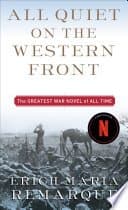
Erich Maria Remarque’s All Quiet on the Western Front
Page Count: 296 | Published: 1929
In Erich Maria Remarque’s All Quiet on the Western Front*, the brutality of World War I is unveiled through the eyes of German soldier Paul Bäumer. Remarque’s own war experiences imbue the novel with authenticity and profound sadness.
Why It Stands Out: This novel captures the devastating effects of war on a generation, highlighting the futility and disillusionment faced by soldiers. Its enduring relevance makes it a timeless read.
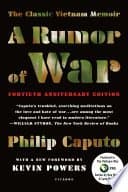
Philip Caputo’s A Rumor of War
Page Count: 356 | Published: 1977
As both a memoir and a critical look at the Vietnam War, Philip Caputo’s A Rumor of War* offers an unflinching examination of combat and its moral complexities. Caputo’s journey from eager Marine officer to disenchanted veteran is powerfully vivid.
Why It Stands Out: Caputo’s introspective narrative captures the ambiguity of war, making it a compelling read for those interested in the psychological impacts of conflict.
Vasily Grossman’s Life and Fate
Page Count: 871 | Published: 1980
Set during the Battle of Stalingrad, Vasily Grossman’s Life and Fate* is a monumental work that explores the Soviet experience in World War II. Drawing from his experiences as a war correspondent, Grossman paints an epic yet intimate portrait of life on the front lines.
Why It Stands Out: Grossman’s rich character development and complex exploration of ideology and humanity elevate this novel to a masterpiece status.
Karl Marlantes’ Matterhorn: A Novel of the Vietnam War
Page Count: 598 | Published: 2009
Drawing from his own experiences as a Marine in Vietnam, Karl Marlantes’ Matterhorn is a visceral depiction of the Vietnam War's brutal reality. Marlantes spent over three decades crafting this novel, resulting in a deeply authentic and gripping narrative.
"There it was again: just about the time you started thinking about being somewhere else, the war slipped back into view."
Why It Stands Out: Marlantes combines profound realism with literary elegance, making Matterhorn a must-read for those looking to understand the Vietnam experience.
Chris Kyle’s American Sniper
Page Count: 381 | Published: 2012
Chris Kyle’s American Sniper* offers a candid look into the life of the most lethal sniper in U.S. military history. Kyle’s narrative is both heroic and controversial, providing insights into modern warfare’s challenges and moral dilemmas.
Why It Stands Out: This memoir’s straightforward and engaging narrative provides a perspective on the contemporary battlefield, resonating with readers interested in modern conflicts.
Regeneration Trilogy by Pat Barker
Page Count: Regeneration (251), The Eye in the Door (280), The Ghost Road (288) | Published: 1991-1995
Explore World War I’s psychological impact with Pat Barker’s Regeneration Trilogy*, a profound exploration of trauma and healing. Based on real historical figures, these novels intertwine fact and fiction to depict the mental scars of war.
Why It Stands Out: Barker’s nuanced portrayal of shell shock and the human psyche yields an enriching and thought-provoking reading experience.
Anthony Beevor’s Stalingrad: The Fateful Siege
Page Count: 528 | Published: 1998
For readers drawn to detailed historical accounts, Anthony Beevor’s Stalingrad: The Fateful Siege meticulously reconstructs the Battle of Stalingrad. Beevor’s comprehensive research and narrative flair bring this pivotal WWII event to life.
Why It Stands Out: Beevor’s ability to balance scholarly rigor with engaging storytelling makes this a definitive account of one of the war’s most critical confrontations.
These carefully curated first-hand accounts provide a well-rounded understanding of war from the perspectives of those who lived through it. From the emotional weight of The Things They Carried to the historical insights of Life and Fate, these books are an invitation to explore, understand, and reflect on the profound impacts of war. Each narrative offers something unique, drawing readers into the depths of history with authenticity and emotion. Whether you're looking to delve into the struggles of past wars or seeking to comprehend contemporary conflicts, this list is your guide to the heart of war’s enduring legacy.
Key Takeaways
Pros
- Authentic, first-hand war narratives—war memoirs and veteran-authored novels like The Things They Carried, A Rumor of War, and Matterhorn—deliver lived-in detail and emotional truth for readers craving realistic military history books.
- High educational value: Night and Beevor’s Stalingrad serve as accessible entry points to Holocaust literature and Eastern Front studies, boosting historical literacy without sacrificing narrative drive.
- Genre strengths: Anti-war literature such as All Quiet on the Western Front and the Regeneration Trilogy foreground trauma, morality, and camaraderie, offering depth beyond action-forward combat tales.
- Practical availability: Most titles are backlist classics with affordable paperbacks, eBooks, and robust audiobooks, making them easy adds to your TBR, buddy reads, or classroom syllabus.
- Excellent book club picks: Memorable quotes, ethical gray zones, and layered character arcs create rich discussion fodder and strong re-readability across multiple titles.
- Authorial credibility: Reportorial rigor from Vasily Grossman and Anthony Beevor, plus veteran perspectives from O’Brien, Caputo, and Marlantes, provide authority, sourcing, and on-the-ground insight.
- Wide perspective spread: The list ranges across Vietnam War books, World War I novels, a Soviet epic of Stalingrad, and modern warfare memoirs, giving a balanced cross-section of conflicts and viewpoints.
Cons
- Content warnings are significant: Expect graphic violence, atrocity, trauma, and moral injury (notably in Night and Stalingrad), which can overwhelm mood readers or younger audiences.
- Deliberate pacing: Reflective, literary styles in Remarque, Barker, and Grossman may feel slow for readers who prefer propulsive, plot-driven military fiction.
- Time commitment: Chunksters like Life and Fate (871 pages) and Matterhorn (598 pages) require sustained focus and may not suit readathon schedules or casual weekend reading.
- Edition and translation variance: Translations of All Quiet on the Western Front and Life and Fate differ in voice and clarity; picking the wrong edition can blunt the prose and complicate names.
- Perspective bias and polarization: First-person accounts like American Sniper and A Rumor of War reflect one soldier’s lens, which some readers may find politically charged or incomplete.
- Jargon and map dependence: Detailed military history books (e.g., Stalingrad) use operations-speak and unit movements that may require maps, glossaries, or annotated editions to follow.
- Audiobook limitations: Pronunciation of foreign names, absence of visual maps, and skipped appendices can hamper comprehension, making print or eBook better for reference-heavy titles.
Frequently Asked Questions
About the Author
Book Junkie
Your go-to source for book reviews and recommendations.