
Curating Classics: The Best Editions of Timeless Literature
Discover the perfect editions of beloved classics like 'We,' 'Frankenstein,' and 'Paradise Lost' with minimal annotations and comprehensive introductions. This guide enriches your reading experience, ensuring accessibility and enjoyment for book lovers ar

Books Featured in This Article
Explore the books discussed
Elegant Companions to Timeless Tales: Selecting the Best Editions of Classic Literature
For readers who cherish classic literature, choosing the right edition is a sacred task. This guide is crafted for those who yearn for comprehensive introductions but prefer their texts with minimal annotations. Whether you're a non-English speaker seeking accessible versions or a book lover desiring reader-friendly editions, these carefully selected recommendations available on Amazon globally are meant to guide you on your literary journey.
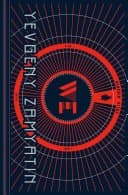
We%20by%20Yevgeny%20Zamyatin&utm_source=bookjunkie.co&utm_medium=article&utm_content=article&utm_campaign=article" class="book-ref enhanced-link" data-type="recommended" data-link-category="book" target="_blank" rel="noopener noreferrer">Exploring Dystopia: 'We' by Yevgeny Zamyatin
We, a cornerstone of dystopian literature, offers a chilling narrative of a totalitarian future. Its themes continue to resonate, but finding an edition that doesn't overwhelm with annotations is key.
Recommended Edition: Penguin Classics Deluxe Edition
- Introduction by Natasha Randall: Provides historical context and explores thematic elements.
- Minimal Annotations: Allows the narrative to flow uninterrupted.
- Global Availability: Perfect for international readers, with a smooth and nuanced translation.
Why You'll Love It:
We&utm_source=bookjunkie.co&utm_medium=article&utm_content=article&utm_campaign=article" class="book-ref enhanced-link" data-type="recommended" data-link-category="book" target="_blank" rel="noopener noreferrer">“The strength of this edition lies in its ability to engage without distraction, making the complex world of We accessible and enthralling.”
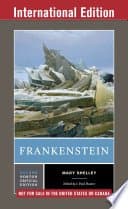
Frankenstein%20by%20Mary%20Shelley&utm_source=bookjunkie.co&utm_medium=article&utm_content=article&utm_campaign=article" class="book-ref enhanced-link" data-type="recommended" data-link-category="book" target="_blank" rel="noopener noreferrer">Frankenstein's Legacy: ‘Frankenstein’ by Mary Shelley
Shelley's Frankenstein is a timeless exploration of creation and responsibility. Selecting the right edition can significantly enhance your understanding.
Recommended Edition: Norton Critical Edition
- Detailed Introduction by J. Paul Hunter: Offers insights into Shelley’s life and the novel's impact.
- Minimal Footnotes: Focuses on enhancing rather than overwhelming the reading experience.
- Inclusive of Early Reviews: Provides historical perspectives without cluttering the main text.
Why You'll Love It:
"This edition honors Shelley’s vision while gently guiding the reader through its Gothic labyrinth, all set in an accessible format."
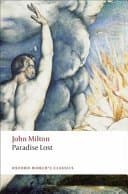
Epic Poetry at Its Peak: ‘Paradise Lost’ by John Milton
Milton’s Paradise Lost is a masterpiece of epic proportions. The edition you choose can illuminate its grandeur or obscure it.
Recommended Edition: Oxford World's Classics Edition
- Introduction by Stephen Orgel: Demystifies Milton’s dense prose and mythological references.
- Glossary and Appendices: Included for occasional reference but never intrusive.
- Adapted for Fluent Reading: Ideal for international audiences who wish to immerse in epic poetry.
Why You'll Love It:
"Orgel’s measured introduction provides a gateway to Milton's world, striking a balance between informative content and poetic enjoyment."
A Timeless Mastery: Understanding Annotations and Introductions
Choosing editions with comprehensive introductions and minimal annotations serves as a literary compass. Here’s why these features are essential:
- Comprehensive Introductions: Set the stage, providing crucial context about the author’s life, social conditions, and the thematic depth of the work.
- Minimal Annotations: Preserve the narrative’s fluidity, ensuring readers aren’t bogged down by excessive footnotes.
Crafting Your Literary Collection
When selecting editions, consider:
- Translation Quality: Essential for non-native English speakers to ensure clarity and preserve the original voice.
- Edition Format: Hardcover for collectors, or paperback for the casual reader.
- Supplementary Material: Choose editions offering essays or early reviews, serving as a window into the reception of these classics over time.
Fostering a Deeper Connection with Classic Literature
These thoughtfully curated editions are more than just books; they are gateways to understanding and appreciating literature’s profound impact. Each recommended edition ensures:
- Accessibility: Engages readers globally, regardless of native language or familiarity with the text.
- Reader-Friendly: Balances informative content with the pure pleasure of reading.
In Conclusion
Explore these editions to enrich your literary journey through We, Frankenstein, and Paradise Lost. With the right edition, every reader can find a companion in these classics that resonates with modern sensibilities while honoring their timeless voices. Dive into these stories and let their depths elevate your reading experience.
Seek out these exceptional editions on Amazon and embark on an unforgettable voyage through classic literature, with opportunities to secure these masterworks in formats that suit your personal reading preferences. Happy reading!
Key Takeaways
Pros
- Penguin Classics Deluxe Edition of We offers Natasha Randall’s smooth, reader-first translation with minimal annotations, keeping the dystopian narrative immersive for non-native English readers.
- Norton Critical Edition of Mary Shelley’s Frankenstein pairs an accessible main text with J. Paul Hunter’s contextual introduction and early reviews—ideal for book clubs and classroom discussions.
- Oxford World’s Classics Paradise Lost features Stephen Orgel’s clear, concise introduction plus a selective glossary, helping first-time readers enter Milton without getting buried in notes.
- The guide’s “comprehensive intro + minimal footnotes” philosophy preserves narrative flow, making these classic literature editions genuinely page-turny for buddy reads and weekend sprints.
- Global Amazon availability and multiple formats (paperback/hardcover) make these editions easy to source internationally and to match to your shelf aesthetic and budget.
- Supplementary materials (like early reviews and brief appendices) fuel discussion, quote-pulling, and re-read value without derailing the casual reading experience.
- Strong value proposition: you build a foundational classics shelf with accessible scholarship, making time invested feel like both literary enrichment and high-quality entertainment.
- The selections balance scholarly credibility with reader-friendly design, suiting both casual readers and those edging into more academic reading without overwhelm.
Cons
- Minimal annotations can hinder newcomers to Milton; Paradise Lost may still require a companion guide or more heavily annotated edition for its mythological and Biblical allusions.
- Translation preferences vary for We; readers loyal to Clarence Brown or Mirra Ginsburg may find Randall’s choices not to taste, so sampling a few pages is wise before buying.
- Despite its readability, the Norton Critical Edition of Frankenstein includes a hefty scholarly apparatus that can feel dense and inflate page count for readers wanting a breezy classic.
- Textual expectations matter: some Nortons prioritize the 1818 Frankenstein text; if you want the 1831 revision, verify the specific ISBN or consider a different edition.
- Pricing can run higher than budget imprints (e.g., Dover or Wordsworth), and international Amazon shipping or import fees may add cost and wait time.
- Paperback production (thin paper, tight margins) in some Oxford and Penguin print runs isn’t great for heavy annotation or long sessions; consider hardcover for durability.
- Content warnings apply: surveillance and state coercion in We, body horror and abandonment in Frankenstein, and religious violence in Paradise Lost may not suit sensitive readers or younger audiences.
Frequently Asked Questions
About the Author
Book Junkie
Your go-to source for book reviews and recommendations.
You Might Also Like
Related Books
Related Articles

Curating Classics: The Best Editions of Timeless Literature
Discover the perfect editions of beloved classics like 'We,' 'Frankenstein,' and 'Paradise Lost' with minimal annotations and comprehensive introductions. This guide enriches your reading experience, ensuring accessibility and enjoyment for book lovers ar
Unlocking Reality: Non-Fiction Authors Who Tell True Stories Like Fiction
Dive into the fascinating world of non-fiction with authors who masterfully blend storytelling and reality. Discover how Erik Larson, Jon Krakauer, and others craft captivating narratives that will inspire and enlighten you, proving that true stories can
